
Harvest Blaque's Earshot Blog: Our Rhythm, Our Blues (Black History Future)
Every few years, someone attempts to redraw the borders of culture as if they were there at its creation.

’ dismissive comments about Black artists in the Rock & Roll Hall of Fame aren’t just opinions about genre, they reflect a narrow understanding of history. Rock & roll did not emerge from thin air. It was born from the blues, from gospel, from rhythm and blues, forms created and shaped by Black artists long before arenas, merchandising, and corporate branding entered the picture. Hip-Hop was a culture also born from our rhythm and our blues.
Sister Rosetta Tharpe was bending electric guitar strings before rock was branded. Chuck Berry built the performance blueprint. Little Richard injected the swagger. Jimi Hendrix re imagined the instrument entirely and Public Enemy taught us, don't believe the hype.

To question Black presence in rock spaces is to question the foundation of the house itself.What makes something rock? Rebellion? Energy? Cultural disruption? If those are the standards, then countless Black artists across generations belong in that conversation without hesitation.
The issue isn’t genre purity,it’s gatekeeping and it's demeaning. It’s nostalgia masquerading as authority. It aligns with the wackness and loud racism that I am not surprised about.
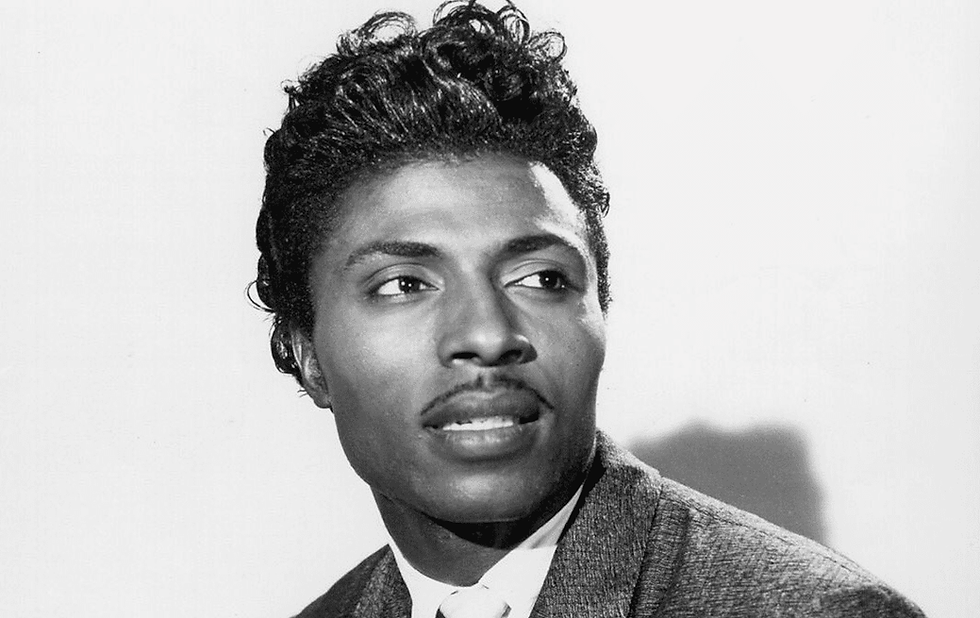
And that is clearly why we must be more vocal about our experiences. When influential voices minimize Black contributions, silence allows distortion to settle into “fact.” If we don’t correct the narrative, it gets rewritten without us as this administration has poorly tried to display.
Being vocal isn’t about outrage; it’s about preservation. Black creativity has repeatedly shaped global culture, only to be reframed once it becomes profitable or mainstream.

We have seen it happen in rock, in hip-hop, in fashion, in visual art. The sound travels. The style spreads. The origin gets blurred. Speaking up ensures the origin remains intact. It reminds the world and ourselves that we black artists are not guests in genres that we helped create and that our white counterparts don't determine our worth just become some continue to be tone deaf to our experiences.
The Rock & Roll Hall of Fame is symbolic, but the larger issue is acknowledgment. Recognition is not charity. It is accurate. When Black artists are questioned in rock spaces, what’s really being questioned is memory. That’s why more of our voices are necessary. We need more essays, more archives, more storytelling, more documentation of lived experiences.

Because if history is not told fully, it will be told selectively.We don’t need permission to claim what we built. We need clarity. Black art has always been foundational, not supplemental. And the more vocal we are about our experiences, the harder it becomes for narrow definitions to shrink our impact. In closing....go forth and make folk uncomfortable by being unapologetically yourselves.
Bryan Harvest Blaque Hancock


Comments